Publications
A Legacy of Strategic Research
Strategic Foresight Group (SFG) has built a distinguished record of research through its publications. These studies explore the long-term forces shaping conflict, cooperation, and global change. At the same time, they examine emerging challenges and identify opportunities for constructive action. Our first report, The Future of Pakistan (2002), launched a programme to anticipate future risks and develop policy options. In doing so, it established the foundation for SFG’s distinctive approach to strategic analysis. Since then, SFG has published extensively across a wide range of global issues. Moreover, every publication combines forward-looking research with practical recommendations for policymakers and other stakeholders. As a result, this commitment has remained central to our work.
Addressing Global Challenges
Over more than two decades, our research has addressed both regional and international challenges. For example, we have explored the future of South Asia and analysed the costs of conflict in India, Pakistan, Sri Lanka, and the Middle East. Through these studies, we have highlighted the human, economic, and political consequences of instability. At the same time, we have identified pathways towards greater cooperation and lasting peace. In addition, our Blue Peace publications have examined water cooperation in the Middle East, the Nile Basin, and the Indian subcontinent. Importantly, they demonstrate how shared water resources can become a foundation for trust, dialogue, and regional stability. More recently, our research has expanded to address the opportunities and risks created by new technologies. Specifically, this includes studies on artificial intelligence in nuclear command systems and the broader implications of advanced AI for global security.
A Resource for the Future
Together, these publications reflect the evolution of SFG’s research and its response to a changing world. Presented chronologically, they offer a clear record of our intellectual journey and policy engagement. Furthermore, they provide a valuable resource for policymakers, researchers, journalists, students, and anyone interested in global affairs. Ultimately, they demonstrate how ideas have developed over time while responding to emerging global priorities. Above all, they reflect SFG’s enduring commitment to evidence-based analysis that supports informed decisions on the world’s most complex challenges.
The questions in the paper are derived from a large number of conversations with policy makers, opinion makers, experts and ordinary citizens of countries in the region. They underpin concerns of the people, and particularly the opinion making elite, in the Middle East.

This publication presents SFG's impact on both intellectual capital and policy. It records SFG's activities across its three focus areas Global Foresight; Water Diplomacy; and Peace, Conflict, Terrorism.
The Water Cooperation Quotient was first introduced in our report released in November 2013. As the report was circulated worldwide, we received many useful suggestions for improving the Water Cooperation Quotient methodology. In this publication we have used this feedback to further refine the Water Cooperation Quotient.
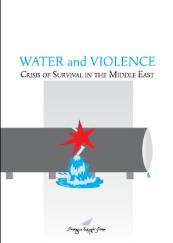
This report examines the problems of populations made vulnerable by the abuse of water as a weapon or as a target in violent conflicts. In the past, some of the state agencies and combatant forces in the region have destroyed water infrastructure. Since 2014, ISIS, a new terrorist group has shown propensity to use water resources to achieve its illegitimate objectives. The international community cannot ignore a developing tragedy and this report also explores possible options for the UN and other international actors.
Conference Reports